

Do Speaker Cleaner Apps Actually Work?
Find out what speaker cleaner apps can and cannot do, how sound-based water-eject tools work, and when physical cleaning or professional repair is needed.
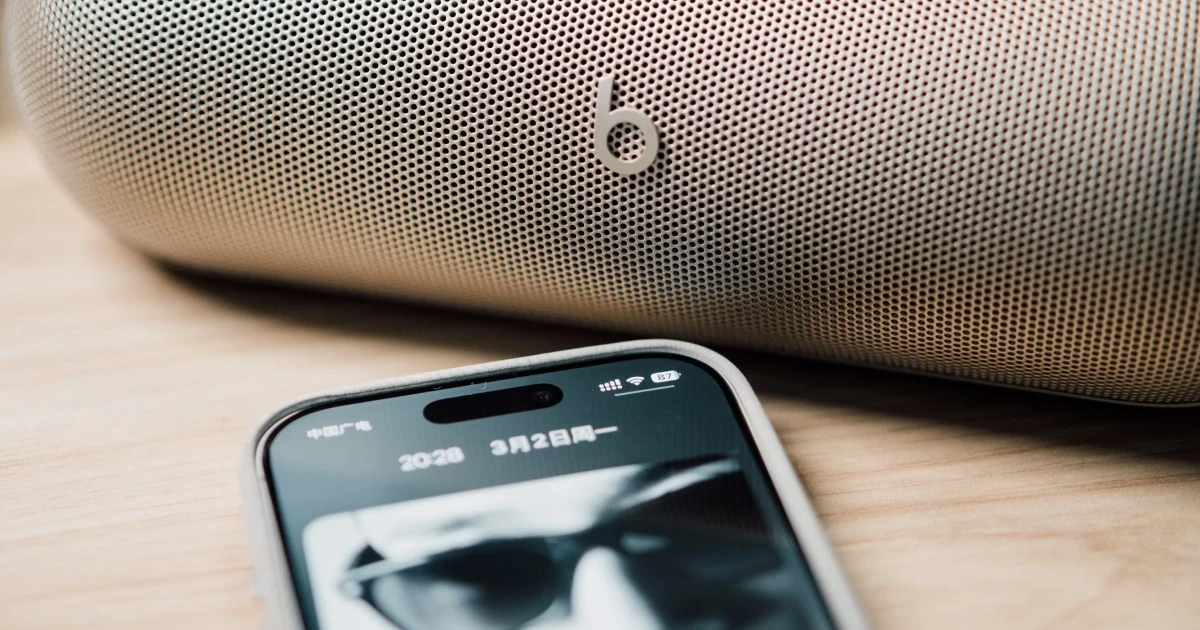
With millions of downloads across mobile app stores, speaker cleaner and water eject apps promise to fix muffled audio at the tap of a button. But do these digital utilities actually work, or are they just clever software tricks?
The short answer: Yes, speaker cleaner apps genuinely work for removing trapped surface water, but they cannot vacuum out physical dust or repair damaged hardware. Understanding the physics behind acoustic water ejection helps you set realistic expectations and fix audio issues safely.
How do speaker cleaner apps work?
Speaker cleaner apps do not clean through physical scrubbing or suction. Instead, they leverage basic acoustic physics to generate specific sound frequencies—typically low-pitched tones around 165 Hz.
Inside every smartphone speaker, a tiny, flexible membrane (the diaphragm) vibrates back and forth to create sound waves. When a speaker cleaner app runs:
- Membrane Displacement: The app plays an uncompressed low-frequency wave that drives the speaker membrane to its maximum mechanical excursion limit.
- Acoustic Air Pressure: The rapid forward-and-backward motion compresses air inside the speaker chamber.
- Droplet Ejection: That concentrated air pressure blasts surface water droplets outward through the micro-mesh of the speaker grille.
While this acoustic blast is remarkably effective for clearing water clinging to the exterior mesh, it only affects areas directly in front of the moving speaker driver.
What speaker cleaner apps can actually do
1. Eject surface water after liquid exposure
If your phone was splashed or dropped in water and now sounds quiet or muffled, running a sound-based water eject tool is one of the fastest ways to dislodge liquid blocking the speaker openings.
2. Provide audio frequency testing
Built-in sound wave generators allow you to test left/right stereo balance, check treble and bass clarity, and identify whether distortion occurs across specific pitch ranges.
3. Help verify speaker recovery
By playing consistent reference tones before and after cleaning or drying, you can objectively measure whether your speaker volume and clarity are improving.
For a systematic diagnostic workflow, follow our guide on how to test whether your phone speaker is working properly.
What speaker cleaner apps CANNOT do
Despite marketing claims, sound waves operate under strict physical laws and cannot solve every audio problem:
- They cannot blow out physical dust or lint: Sound waves push air, which easily breaks the surface tension of liquid droplets. Solid pocket lint, compacted dirt, and adhesive grime do not move when the speaker vibrates. For solid debris, consult our guide on cleaning dust out of a phone speaker safely.
- They cannot dry the interior of your phone: Dislodging water from the exterior speaker grille does not remove moisture trapped deeper inside the chassis, battery compartment, or logic board.
- They cannot fix hardware damage: If liquid has shorted internal circuits or torn the delicate speaker diaphragm, playing audio tones will not repair physical components.
- They cannot override software bugs: System settings, stuck Bluetooth connections, or software audio bugs require setting adjustments rather than acoustic cleaning.
Are water eject and speaker cleaner apps safe?
Yes. Playing a calibrated audio tone through a speaker cleaner app uses the standard audio pipeline on your device. So long as the app uses clean, uncompressed waveforms and avoids distorted output, running a cycle poses no threat to healthy hardware.
However, if your phone was submerged, prioritize official manufacturer drying protocols first:
- Wipe down the exterior with a microfiber cloth.
- Position the device with speaker ports pointing downward and tap it gently against your hand.
- Allow the phone to air-dry naturally in a dry, ventilated room.
- Avoid dangerous drying traps like hair dryers, compressed air cans, or burying your device in rice.
Apple outlines official liquid handling advice in its guide If your iPhone or accessory gets wet.
How to use a speaker cleaner app correctly
To get the best results from a sound-based cleaning utility:
- Remove your phone case: Water trapped between a protective case and the speaker port blocks ejected droplets from escaping.
- Point speakers downward: Hold the phone with the affected speaker grille facing down so gravity assists the acoustic ejection process.
- Set volume to high: Effective air displacement requires strong membrane movement, so set the volume near maximum during the cycle.
- Run 2 to 3 short cycles: Play the tone for 30–60 seconds, wipe away expelled moisture, and re-test clarity.
- Stop if distortion persists: If the sound remains muffled after multiple attempts and adequate drying time, stop playing tones and seek professional inspection.
Try sound-based cleaning and testing with Fix My Speakers
Fix My Speakers brings together calibrated acoustic utilities in one easy-to-use iOS app, featuring a built-in 165 Hz water ejection cycle, precision tone generators, and comprehensive speaker testing routines.
Whether you need to push out trapped water after a splash or evaluate speaker performance across custom frequency ranges, Fix My Speakers offers a clean, reliable solution.
For additional insights into acoustic cleaning technology, explore our guides on the best frequency to clean a phone speaker, what a 165 Hz sound does to a phone speaker, and whether sound waves can remove water from a phone speaker.
The bottom line
Speaker cleaner apps are highly effective tools for ejecting trapped surface liquid after wet exposure, but they are not a substitute for physical cleaning when dealing with dust or lint, nor can they repair broken hardware.
When water compromises your mobile audio, downloading Fix My Speakers from the App Store gives you instant access to calibrated 165 Hz water ejection and diagnostic tools to restore your speaker’s sound clarity.
Frequently asked questions
- Do speaker cleaner apps actually work?
- They play targeted audio frequencies that create acoustic air pressure to expel surface water from speaker grilles. However, they cannot remove dry dust, repair water damage, or dry internal phone components.
- Can a speaker cleaner app remove dust?
- No. Sound waves rely on air displacement to move liquid surface tension. Solid dust, lint, and grit cannot be blown out by audio vibrations and require safe manual cleaning.
- Can a speaker cleaner app fix a damaged speaker?
- No. An app cannot repair a torn speaker membrane, damaged internal wiring, or liquid corrosion. Hardware failures require professional service.
- Are water eject apps safe?
- Yes, when used at reasonable volume levels. Sound-based tools generate standard audio waveforms that do not harm intact phone speakers, though they should supplement rather than replace manufacturer drying steps.
Get Fix My Speakers on the App Store
Restore your phone speaker clarity today
Eject trapped water with acoustic sound waves, run automated water-removal cycles, and test audio output using precision frequency generators. Free to download for iPhone and iPad. Results vary; sound-based tools cannot guarantee water removal or repair damaged hardware.

Keep reading
What Does a 165 Hz Sound Do to a Phone Speaker?
Discover how a 165 Hz sound wave works, why water eject apps use this frequency, and how acoustic vibrations help clear trapped moisture from phone speakers.
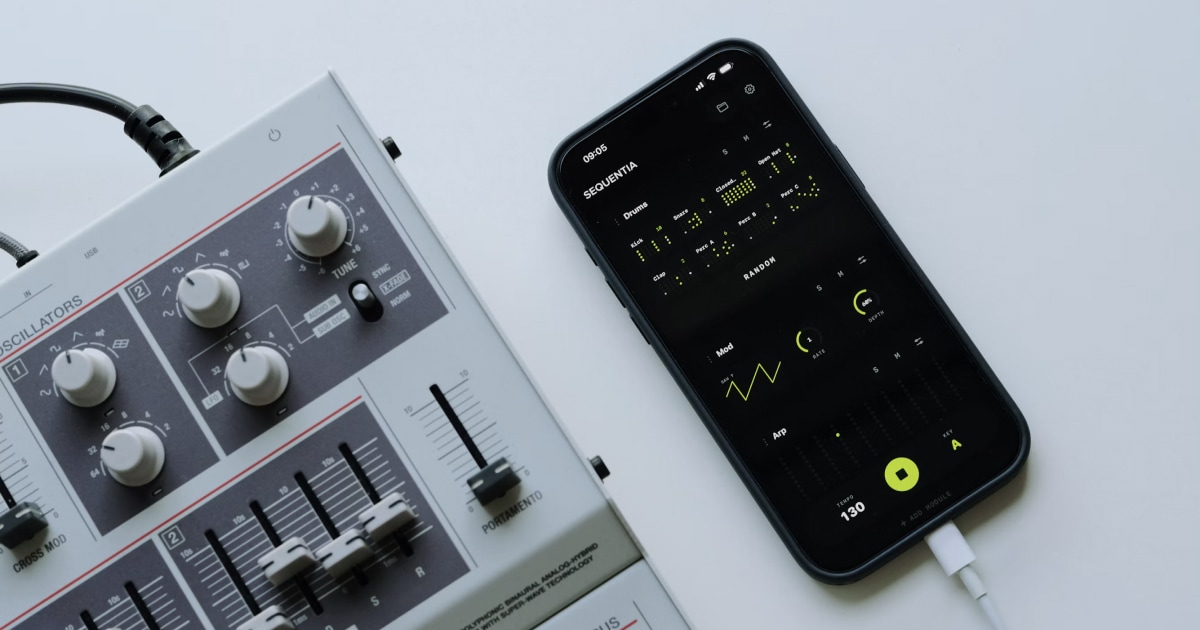
What Is the Best Frequency to Clean a Phone Speaker?
Discover which sound frequencies are used for phone speaker cleaning, how frequency affects speaker movement, and what sound-based cleaning can realistically do.
Can Sound Waves Remove Water from a Phone Speaker?
Learn how sound waves may help dislodge moisture from a phone speaker, what a 165 Hz tone can do, and how to dry a wet phone safely.