

How to Clean Dust Out of a Phone Speaker
Learn how to remove dust from your phone speaker safely, which cleaning methods to avoid, and when a speaker cleaning app can help.
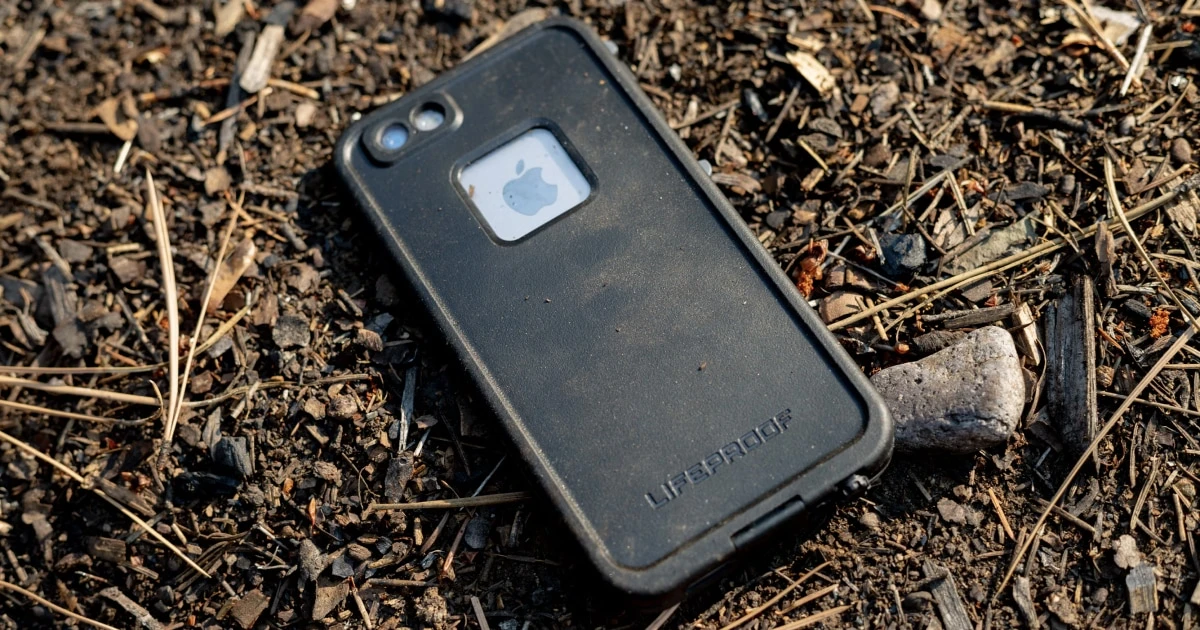
Over time, microscopic pocket lint, fine household dust, and everyday debris inevitably accumulate around smartphone speaker grilles. When these tiny openings become obstructed, audio output naturally starts to sound quiet, muffled, or distorted.
Safely clearing dust out of a phone speaker requires a methodical approach: inspecting the exterior, respecting manufacturer guidelines, and strictly avoiding aggressive tools that risk pushing particles deeper inside. Because muffled audio isn’t always caused by dust, diagnostic checks for moisture, software settings, and hardware health are equally essential.
Why does dust build up in phone speakers?
Smartphones live active lives in pockets, bags, and tabletops where ambient particles constantly circulate. The primary culprits behind clogged speaker grilles include:
- Pocket lint: Microscopic textile fibers from clothing that latch onto protective grilles.
- Airborne dust: Fine particulate matter settling into recessed audio ports.
- Environmental grit: Outdoor sand, dirt, and fine debris.
- Oils and residue: Skin oils and pocket grime forming an adhesive layer that traps loose dust.
While a light dusting of surface particles rarely impacts audio quality, dense blockages dampening the acoustic output require careful exterior maintenance.
How to clean dust out of a phone speaker safely
Before taking any action, always consult the specific support documentation for your device model, as grille materials and water-resistance seals vary significantly.
Step 1: Inspect the speaker grille under bright light
Examine your phone’s audio ports using a flashlight or bright natural light. Look closely for compacted lint or blocked mesh holes. Check whether a bulky phone case or screen protector overlaps and dampens the speaker opening.
Step 2: Power down your device
Switch off your phone completely before performing any maintenance. Disconnect all charging cables, headphones, and accessories. If your device was recently near liquids, ensure it is fully dried following manufacturer protocols before attempting physical cleaning.
Step 3: Use approved exterior tools only
Gently brush away loose exterior debris using a clean, dry, ultra-soft bristle brush (such as a specialized electronics brush) if recommended by your manufacturer. Move with extreme care, applying zero downward pressure to avoid forcing particles past the protective mesh.
Never insert sewing needles, metal pins, toothpicks, or paperclips into speaker openings. Avoid chemical cleaning sprays, liquids, and compressed air canisters, which frequently rupture delicate internal membranes or drive blockages deeper into the casing.
Step 4: Verify acoustic performance
Once external debris is cleared, play a familiar reference audio track at a moderate volume. Compare clarity against secondary playback sources to confirm whether the obstruction caused the distortion.
What cleaning methods should you always avoid?
| Dangerous Method | Why It Risks Permanent Damage |
|---|---|
| Needles or metal pins | Easily punctures internal waterproof meshes and tears speaker diaphragms. |
| Wooden toothpicks | Can snap off inside the port, leaving wedged wood fragments. |
| Compressed air cans | Generates excessive PSI pressure that blows out acoustic drivers. |
| Harsh solvents/liquids | Destroys internal adhesives and creates short-circuits. |
| Household vacuums | Creates uncontrolled static electricity and suction stress. |
Can sound waves remove dust from a phone speaker?
A common misconception is that sound-based utility apps designed for water ejection can also blow out dry dust.
Acoustic water-eject tools rely on low-frequency air pressure pulses to dislodge liquid surface tension. Solid dust and compacted lint do not respond the same way. While vibrations might loosen superficial surface dust, heavy or wedged debris requires careful manual exterior cleaning. Sound utilities remain invaluable for testing audio channels and expelling trapped moisture, but they are not a substitute for physical maintenance.
Can Fix My Speakers help with a dusty phone speaker?
Fix My Speakers provides an all-in-one suite of audio utilities, including frequency tone generators and diagnostic testing tools to evaluate your device’s sound output before and after maintenance.
While the app excels at testing audio clarity and running moisture-removal cycles, it cannot magically dissolve or extract physical pocket lint. If visible debris obstructs your speaker mesh, pair a safe physical cleaning method with Fix My Speakers to verify that your audio output returns to peak performance.
What if your phone speaker still sounds muffled?
If cleaning the exterior grille fails to restore normal volume, investigate these alternative bottlenecks:
- Software or Source Issues: Test alternative apps or local audio files to rule out a software-specific audio glitch.
- Audio Routing Settings: Ensure your phone isn’t mistakenly routing calls or media through hidden Bluetooth peripherals or accessibility audio channels.
- Trapped Moisture: If your phone was recently exposed to rain or humidity, review safe drying procedures rather than applying heat. Check out our guide on what to do when there is water in your phone speaker.
- Internal Hardware Damage: Persistent metallic buzzing, rattling, or total silence often points to a blown or physically cracked speaker driver.
Keep your phone speaker sounding crystal clear
Maintaining clean phone speakers comes down to routine visual inspections and gentle exterior maintenance using non-invasive tools. Avoid sharp implements and high-pressure air at all costs.
When you need to test audio fidelity, check frequency response, or manage moisture exposure, download Fix My Speakers from the App Store to keep your audio running at its absolute best.
Frequently asked questions
- How do I get dust out of my phone speaker?
- Turn off the phone if appropriate, inspect the speaker grille under good lighting, and follow the manufacturer's cleaning instructions. Use only recommended tools and avoid inserting objects into the openings.
- Can I use a toothbrush to clean my phone speaker?
- Do not assume any toothbrush is safe for every phone. Use a brush only if the manufacturer recommends it, and follow its instructions to avoid damaging the grille or pushing debris inside.
- Can sound remove dust from a phone speaker?
- Sound-based cleaning tools cannot reliably remove physical dust or compacted lint. They are different from manual exterior cleaning and should not replace manufacturer-approved methods.
- Can Fix My Speakers remove dust from your iPhone speaker?
- Fix My Speakers provides sound-based tools, but it cannot guarantee the removal of physical dust or lint. For visible debris, follow Apple's cleaning instructions for your device.
- Is compressed air safe for cleaning a phone speaker?
- Compressed air may damage delicate components or push debris further into a device. Avoid it unless the manufacturer explicitly recommends a suitable method for your specific phone.
- Why does my phone speaker still sound muffled after cleaning?
- The cause may be debris that remains inside, moisture, audio settings, software issues, or hardware damage. If the sound does not improve after safe cleaning and basic troubleshooting, seek professional assistance.
Get Fix My Speakers on the App Store
Restore your phone speaker clarity today
Eject trapped water with acoustic sound waves, run automated water-removal cycles, and test audio output using precision frequency generators. Free to download for iPhone and iPad. Results vary; sound-based tools cannot guarantee water removal or repair damaged hardware.

Keep reading
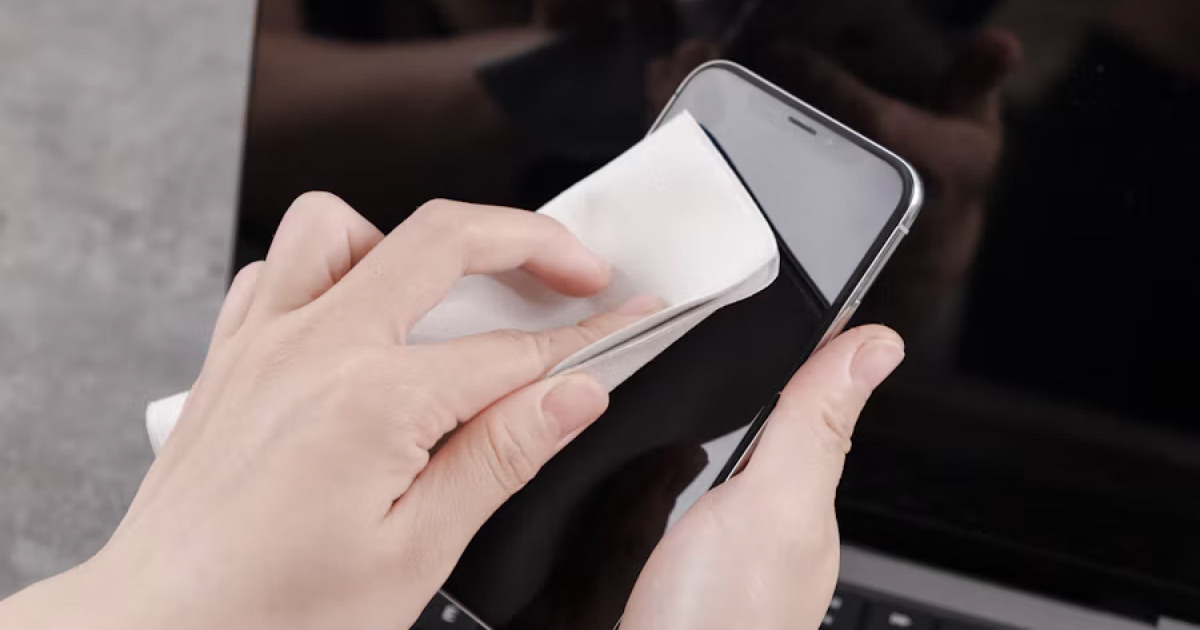
How to Clean a Phone Speaker Without Damaging It
Learn how to clean your phone speaker safely, which tools and cleaning methods to avoid, and what to do if your phone still sounds muffled.
Why Does My Phone Speaker Sound Muffled? Causes and Fixes
Is your phone speaker muffled? Learn the common causes, how to troubleshoot blocked grilles and moisture, and how Fix My Speakers can help with certain speaker issues.
Phone Speaker Too Quiet at Maximum Volume? Causes and Fixes
Is your phone speaker too quiet even at maximum volume? Discover common causes, practical troubleshooting steps, and how Fix My Speakers can help you test your phone's sound.